Faqs
Mold Inspection & Air Quality Diagnostics
Q: What are the main warning signs of hidden mold growth inside a house?
A: Common indicators include persistent musty odors, visible dark discoloration on walls or baseboards, peeling paint, and unexplained allergy-like symptoms among residents. Scheduling a professional evaluation is critical if your property has experienced recent plumbing leaks, roof failures, or high indoor humidity levels.
Q: What is a mold remediation protocol and why is it necessary?
A: A mold remediation protocol is a detailed, customized blueprint that outlines the exact steps needed to safely eliminate a mold problem. This step-by-step plan ensures that homeowners, contractors, and remediation crews isolate the containment zone, protect indoor air quality, and completely fix the moisture source.
Q: Who does certified mold testing and air sampling in DeKalb County?
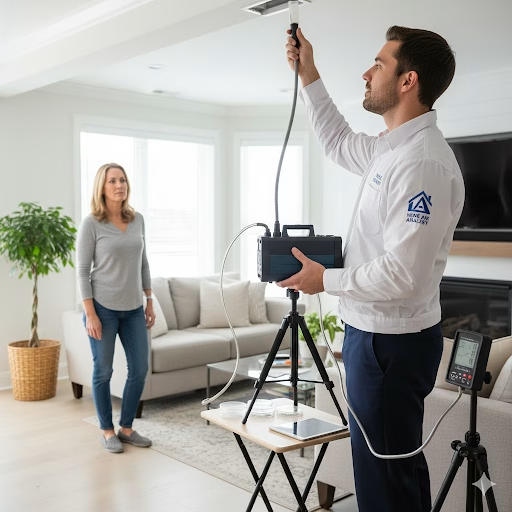
A: Homeowners and home buyers should look for independent environmental specialists who hold premier industry credentials, such as IICRC or MICRO certifications. Certified investigators utilize advanced moisture meters, thermal imaging, and air sampling cassettes to provide unbiased lab reporting on indoor spore counts.
Mold Removal & Water Damage Restoration
Q: How do professionals safely remove mold without cross-contaminating a home?
A: Professional crews follow strict industry standards by establishing negative air pressure containment zones using heavy plastic sheeting and HEPA air scrubbers. This controlled layout prevents microscopic spores from breaking loose and migrating into clean, unaffected living spaces during the structural tearing and cleaning process.
Q: What are the primary steps in emergency water damage restoration?
A: Effective structural drying involves immediate water extraction, removing heavily saturated materials like carpet pad or drywall, and deploying industrial dehumidifiers and air movers. Clearing out standing moisture within the first 24 to 48 hours is essential to stop toxic mold from colonizing.
Q: Can a property owner just spray bleach on visible mold to kill it?
A: No, spraying bleach on porous materials like drywall or wood only bleaches the surface pigment while the water content sinks deeper into the material, actually feeding the root system. Safe removal requires physically removing the porous contaminated materials or utilizing specialized antimicrobial treatments on structural framing.
Real Estate Transactions & Vendor Selection
Q: Should a home buyer order a mold inspection during due diligence?
A: Yes, adding a dedicated environmental assessment to a standard home inspection is highly recommended when buying a property that has a finished basement, a crawlspace, or a history of past water damage. Uncovering hidden airborne hazards prior to closing protects your financial investment and family health.
Q: What qualifications should an environmental testing company possess?
A: Prioritize local, independent firms that focus strictly on certified diagnostics and clear communication rather than companies that use high-pressure scare tactics. Reputable businesses should readily provide verification of their technical certifications, carry comprehensive liability insurance, and feature transparent upfront pricing structures.
Q: How long does a standard residential mold assessment walkthrough take?
A: A standard diagnostic walkthrough for an average-sized single-family home typically takes anywhere from one to three hours to complete. The precise timeline depends on the total square footage, the accessibility of the attic or crawlspace, and the total number of physical air and surface samples collected for lab analysis.